

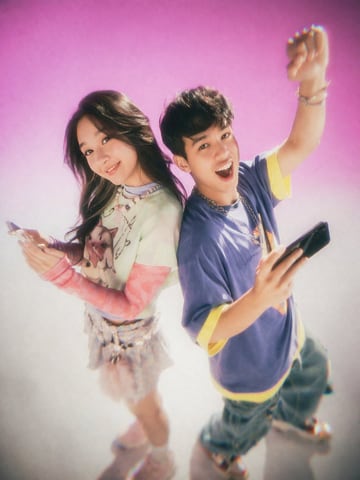

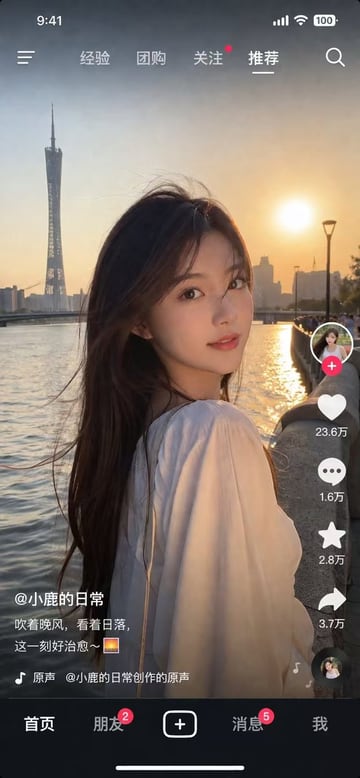

A Xiaohongshu cover prompt should explain the post before it describes the aesthetic. Give the image one post hook, one recognizable subject, one clear title-safe area, and a mobile crop. This guide uses a 4:5 canvas as a practical starting point for product notes, reviews, tutorials, travel posts, food ideas, outfit formulas, and creator guides.
RedNote and Little Red Book are common English search terms for Xiaohongshu-related content. Platform interfaces and crop behavior can change, so preview the finished cover in the current publishing flow before posting.
Quick answer
Use this reusable structure:
Create a 4:5 Xiaohongshu or RedNote cover for [post topic]. Show [main subject] communicating [post hook], arranged with [layout], [title-safe area], [scene cue], [lighting], and [color accent]. Keep the focal subject clear at mobile-feed size and reserve exact title text for final design.
Pick the cover job first
Four common cover jobs require different visual evidence:
- Tutorial: show the starting material, key action, or finished result.
- Review: show the product clearly and reserve space for the verdict or comparison label.
- Checklist or guide: use a simple object grouping that signals the topic without turning the cover into a dense infographic.
- Diary or inspiration post: use one lived-in scene and one human cue to establish mood and context.
Choose the job before selecting colors, stickers, illustration style, or editorial texture.
Editable variables
- Post topic: the exact routine, review, guide, recipe, place, outfit, or transformation.
- Hook: the single question, result, problem, or takeaway promised by the post.
- Main subject: the product, meal, room, outfit, screen, map, or person that carries the topic.
- Layout: single focal object, before-after split, flat lay, portrait plus prop, or process scene.
- Title-safe area: top band, left column, right column, or bottom verdict strip.
- Scene cue: shelf, desk, kitchen, train window, fitting room, cafe table, or phone frame.
- Lighting: soft window light, clean product light, warm cafe light, or flat graphic contrast.
- Color accent: one or two colors that help the subject separate from the background.
- Crop: 4:5 starting canvas with edge clearance for feed previews and title placement.
- Final text: title, price, rating, and small labels added and proofread during finishing.
10 copyable Xiaohongshu and RedNote cover prompts
1. Skincare routine
Create a 4:5 Xiaohongshu cover for a simple morning skincare routine. Show three unbranded skincare bottles arranged from first step to last on a clean bathroom shelf, soft morning window light, pale stone tiles, one water droplet detail, and a clear left title column. Keep every bottle shape visible and the background calm.
The ordered products explain the routine while the open column gives the final headline a stable home.
2. Product review verdict
Create a 4:5 RedNote product review cover for a compact hair dryer. Show the dryer at a three-quarter angle with the travel pouch and one detachable nozzle behind it, clean daylight, warm grey background, coral accent card, and a wide bottom strip reserved for the review verdict. Keep the product edge and controls easy to inspect.
The product remains central and the verdict gets a dedicated area instead of covering important details.
3. Quick recipe
Create a 4:5 Xiaohongshu cover for a 15-minute tomato egg noodle recipe. Show one finished bowl from a slightly elevated angle, chopsticks lifting a small portion, two ingredient cues at the edge, warm kitchen light, red and yellow accent colors, and an uncluttered top title band.
The finished meal communicates the result while the ingredient cues establish the recipe context.
4. Travel transport guide
Create a 4:5 RedNote cover for a city airport-to-center transport guide. Show a folded city map, transit card, and small suitcase handle in a clean flat lay, one highlighted route line, cool daylight, blue accent, and a clear right-side title area. Use generic map markings and leave exact place names for finishing.
The object set signals travel logistics without depending on tiny map labels.
5. Study system
Create a 4:5 Xiaohongshu cover for a spaced-repetition study method. Show a tidy desk with three stacks of flashcards labeled only by color, one open notebook, pen, and small timer, soft desk light, cream and blue palette, and a large blank notebook area for the final title.
The grouped cards suggest a system and the notebook supplies a natural text surface.
6. Outfit formula
Create a 4:5 RedNote cover for a three-piece summer outfit formula. Show one neutral shirt, one pair of relaxed trousers, and one pair of shoes arranged vertically against a light wall, small bag as the only accessory, soft editorial daylight, black and butter-yellow accents, and a title-safe area at the top.
Three clearly separated pieces make the formula understandable at a glance.
7. Small-space organization
Create a 4:5 Xiaohongshu cover for organizing a narrow apartment entryway. Show a clean before-and-after split of the same small doorway, shoes contained in a slim cabinet on the finished side, consistent camera angle, bright natural light, one green plant accent, and a narrow center divider with title space above.
A controlled comparison makes the storage result visible while preserving the real scale of the space.
8. Mobile app tutorial
Create a 4:5 RedNote cover for a mobile photo-editing tutorial. Show one phone with a clear generic editing interface, a small before image card on the left and finished image card on the right, simple lavender background, crisp screen light, and an open top-left title zone. Keep interface modules broad and reserve exact labels for post-production.
The phone and result cards identify the tutorial while the interface stays readable as a cover.
9. Cafe recommendation
Create a 4:5 Xiaohongshu cover for a quiet weekend cafe recommendation. Show one coffee cup, one pastry, and a window-seat view, warm side light, soft wood texture, muted green accent, shallow depth of field, and a clean upper-right title area. Keep brand marks and location text absent from the generated image.
Three scene cues establish the experience and leave room for verified venue details during finishing.
10. Creator resource list
Create a 4:5 RedNote cover for a list of five desk tools for creators. Show a compact microphone, small light, phone stand, notebook, and timer arranged in a structured flat lay, each object fully visible, high-key product light, black and orange accents, and a clear left title column. Keep the composition spacious enough for one headline and one small subtitle.
The complete object set proves the topic while the simple grid keeps the feed card readable.
Prompt breakdown
- Subject
- One product, meal, room, outfit, screen, person, or compact object set tied to the post.
- Composition
- A 4:5 mobile layout with a named focal point and a protected title-safe region.
- Lighting
- Clear everyday or product light that separates the subject from the background.
- Output
- A cover base ready for verified Chinese title text, brand details, and final feed preview.
A repeatable mobile-feed review method
This method gives every cover the same three checks. It helps compare variants while keeping performance claims grounded in later analytics.
Check 1: topic recognition
View the cover at a narrow mobile-card width. Identify the topic using the image alone. Increase subject scale, improve the scene cue, or remove props when the topic feels ambiguous.
Check 2: title fit
Overlay the real Chinese title inside the safe area. Check line count, contrast, and distance from the subject. Exact text, prices, ratings, and location details deserve a manual proofread before publication.
Check 3: controlled variation
Generate one alternate version by changing a single decision: subject angle, safe-area position, background value, crop, or accent color. Save the prompt and record which version was published. Search and feed performance can then be evaluated against a known creative change.
How to customize a cover prompt
1. Reduce the post to one promise: result, review verdict, checklist, recipe, route, or transformation. 2. Choose the visible subject that proves that promise. 3. Pick a layout that suits the job: single subject, flat lay, before-after, portrait plus prop, or process scene. 4. Reserve a specific title region and estimate the real title length. 5. Add one scene cue and one restrained color accent. 6. Set the 4:5 canvas, then protect important content from the outer edges. 7. Generate the base image, add exact Chinese copy during finishing, and inspect the complete cover in the current app preview.
If a reference cover has a useful layout, image-to-prompt can help describe its composition, subject scale, palette, and empty space. Adapt that structure to your own post, products, locations, people, and brand system.
Common mistakes and fixes
Make a cute viral Xiaohongshu cover with trendy decorations, lots of products, stickers, and Chinese text.
Create a 4:5 Xiaohongshu cover for a simple morning skincare routine. Show three unbranded skincare bottles arranged from first step to last on a clean bathroom shelf, soft morning window light, pale stone tiles, one water droplet detail, and a clear left title column. Keep every bottle shape visible and the background calm.
The revised brief defines the post topic, product order, mobile crop, scene, light, and title position.
- Too many hooks: choose one promise for the cover and move supporting points into the post.
- Decorative overload: keep one scene cue and one accent system.
- Missing title space: reserve the area before choosing props and camera angle.
- Tiny product details: enlarge the product and describe the feature readers will inspect.
- Generated text errors: add exact Chinese copy, prices, and ratings during finishing.
- Generic lifestyle image: include a specific action, object arrangement, or comparison that explains the post.
- Unverified claims: use measured results, prices, and place details only after checking the source material.
- Inconsistent testing: change one visual variable per variant and retain the source prompt.
Image2Studio workflow
- Copy the example closest to the post job and replace the topic, subject, hook, and title area.
- Use Prompt Optimizer to remove repeated style words or conflicting layout directions.
- Use image-to-prompt when a reference image needs to be converted into an editable structural brief.
- Open the result in Image2Studio and check ratio, resolution, and credit cost before generation.
- Generate one clear base version, then create controlled variants by changing one decision at a time.
- Save the chosen image with its prompt and finish the exact title, labels, and brand marks in your design workflow.
Pre-publish checklist
- The image communicates the same topic as the post.
- The main subject stays recognizable at feed-card size.
- The real title fits the reserved area in one clear hierarchy.
- Products, food, places, and interface details match the post source material.
- Exact Chinese copy, price, rating, and location information have been proofread.
- The 4:5 image has been checked in the current publishing preview.
- People, products, locations, and reference images are used with appropriate permission.
Where to go next
Open the Xiaohongshu cover use-case page for more image-backed prompts, browse social-media post examples for adjacent layouts, or use the product-photography category when the product needs tighter material and lighting control. Image-to-prompt is the direct route when you already have a reference cover and need an editable brief.
What should a Xiaohongshu cover prompt include?
Include the post topic, main subject, visible hook, mobile layout, title-safe area, scene cue, lighting, color accent, and 4:5 starting crop.
Can I copy these Xiaohongshu and RedNote cover prompts?
Yes. Replace the subject, post promise, title position, scene, and colors with your own material, then review the generated cover before publishing.
Should I ask the image model to render the final Chinese title?
Reserve a title-safe area in the image prompt and add the exact Chinese title during design finishing. This workflow gives you direct control over wording, spelling, line breaks, and hierarchy.
Is 4:5 required for every Xiaohongshu cover?
This guide uses 4:5 as a practical mobile starting canvas. Check the current Xiaohongshu publishing preview and adapt the crop to the destination of your specific post.
Can I use an existing cover as a reference?
Use a reference to study layout, subject scale, palette, and empty space, then rebuild the brief with your own topic and assets. Respect the rights attached to source imagery and brand elements.
Is Image2Studio affiliated with Xiaohongshu or RedNote?
Image2Studio is an independent prompt and image workflow product. Xiaohongshu and RedNote are referenced only to describe the intended cover use case.