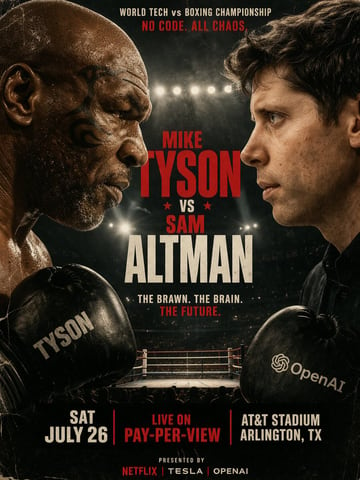

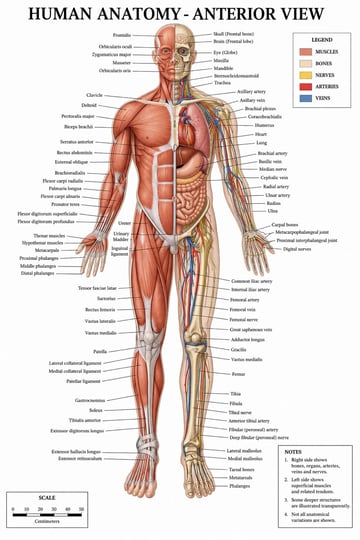
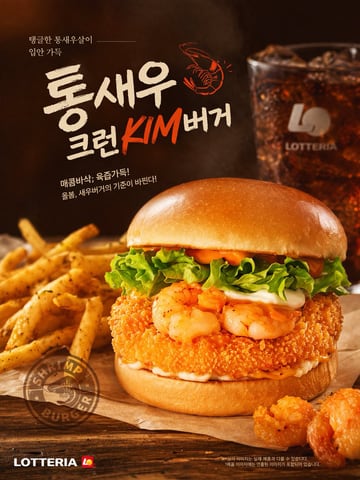
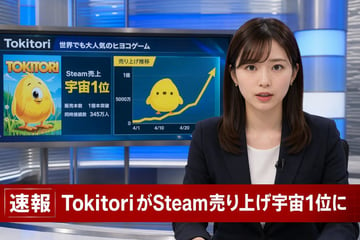
People usually search for GPT Image 2 poster prompts when a blank prompt box has stopped being helpful. They do not need another list of shiny adjectives. They need a way to describe the image job so the result can be reviewed, revised, and used. This guide is written for someone who needs poster art that can accept real typography after generation. The working assumption is simple: a prompt is useful only when it makes the next production decision easier.
For Image2Studio, the prompt should behave like a compact brief. It should say what the image is for, what must stay recognizable, what the frame should protect, what kind of light explains the material, and where the final image will appear. That makes it easier to move from learning to generation instead of collecting examples that never become finished work.
Quick answer
Use this guide when a poster prompt needs title room and campaign hierarchy. Start with the event, focal subject, text-safe zones, visual mood, and output format.
What This Guide Helps You Decide
- The exact image job: protect poster hierarchy, subject, and title area in one prompt.
- The channel and page surface: campaign covers, launch key art, event announcements, and printable posters.
- The subject details that must survive generation.
- The crop, safe area, and output ratio before any style words appear.
- The review standard you will use after the first image is generated.
Copyable Prompt Template
Create a poster for [campaign]. Show [subject/story] with [focal point], [title-safe location], [palette], [lighting], [texture], and [vertical/square ratio].
Example 1: Indie film
Create an image for an indie film poster: a rain-soaked bus stop at dawn, single character silhouette, empty top third, muted blue palette, large readable shapes, deliberate title zones, one focal story, restrained texture, and clear foreground/background separation.
It gives the title a calm place to live. It includes destination, subject, visual constraints, and output context, so the next edit is a variable swap.
Example 2: Product launch
Create an image for a launch poster: a new electric bike wheel glowing softly, close crop, diagonal road line, bottom date strip, high contrast, large readable shapes, deliberate title zones, one focal story, restrained texture, and clear foreground/background separation.
It keeps the date and product separate. It includes destination, subject, visual constraints, and output context, so the next edit is a variable swap.
Example 3: Workshop
Create an image for a design workshop poster: hands arranging paper prototypes, overhead view, left column text-safe area, natural desk light, large readable shapes, deliberate title zones, one focal story, restrained texture, and clear foreground/background separation.
It matches a learning event, not a blockbuster. It includes destination, subject, visual constraints, and output context, so the next edit is a variable swap.
Example 4: Album cover
Create an image for a music release cover: a vintage microphone in a small blue room, center subject, blank wall above, film grain, square crop, large readable shapes, deliberate title zones, one focal story, restrained texture, and clear foreground/background separation.
It reserves space without losing mood. It includes destination, subject, visual constraints, and output context, so the next edit is a variable swap.
Example 5: Food pop-up
Create an image for a pop-up restaurant poster: a glowing noodle stall sign in fog, warm sign, dark street, large empty right side, 4:5 crop, large readable shapes, deliberate title zones, one focal story, restrained texture, and clear foreground/background separation.
It creates appetite and copy room. It includes destination, subject, visual constraints, and output context, so the next edit is a variable swap.
Example 6: Tech meetup
Create an image for a product meetup poster: abstract modular blocks forming a small city, isometric grid, orange accent, top headline safe area, clean background, large readable shapes, deliberate title zones, one focal story, restrained texture, and clear foreground/background separation.
It stays professional and readable. It includes destination, subject, visual constraints, and output context, so the next edit is a variable swap.
Build the Prompt Like a Working Brief
1. Name the job before the style
Write the title-safe area as a concrete location, not a hope. Top third, left column, center block, or bottom strip all create different posters. This is where many prompt pages go wrong. They start with a beautiful visual direction and leave the use case until the end. Reverse that order. If the image is for campaign covers, launch key art, event announcements, and printable posters, the prompt should make that surface visible in the first sentence.
2. Make the subject inspectable
The subject is not just a noun. Describe the parts that a person would check in a review: shape, material, expression, screen modules, label surface, product edge, or headline room. For a GPT Image 2-oriented poster prompt, a vague subject forces the model to invent the important details. A specific subject lets you edit one variable without rewriting the whole prompt.
3. Treat composition as a constraint
Composition is the part of the prompt that keeps the output usable. Say where the subject sits, where empty space belongs, and what should not compete with the focal point. For this page, the baseline visual direction is: large readable shapes, deliberate title zones, one focal story, restrained texture, and clear foreground/background separation. That sentence is not decoration; it is a checklist.
4. Use light to explain the image
Poster light should pull the eye to the subject and leave the copy zone quiet. Light is often the fastest way to fix an output that feels fake. Before adding another style adjective, decide whether the image needs soft daylight, hard rim light, glossy reflections, muted studio light, or flat graphic contrast.
5. Review against the destination
Mock the headline over the generated image before calling it usable. A prompt that produces a pretty image but fails in its final container is not finished. Put the image beside the headline, price, CTA, deck slide, product card, or social caption it will live with.
Image2Studio Workflow
- Start from the closest example above and replace the subject, destination, and ratio.
- Open the prompt in Image2Studio, then check generation cost and resolution before submitting.
- Generate one conservative version first. Do not chase style until subject and crop are stable.
- Save the strongest result with the prompt, then create variants by changing one variable at a time.
Common Mistakes and Fixes
Cinematic poster, awesome, epic, dramatic, big typography, very detailed.
Create an image for an indie film poster: a rain-soaked bus stop at dawn, single character silhouette, empty top third, muted blue palette, large readable shapes, deliberate title zones, one focal story, restrained texture, and clear foreground/background separation.
The rewrite gives the image a job, a subject, a composition, lighting, output constraints, and a review standard.
- Mistake: writing a universal prompt that claims to fit every platform. Fix it by naming one destination.
- Mistake: asking for style before structure. Fix it by deciding crop, subject size, and safe area first.
- Mistake: adding more props when the first result feels empty. Fix it by improving light, angle, or background contrast.
- Mistake: accepting the first attractive output. Fix it by checking whether the result still works in campaign covers, launch key art, event announcements, and printable posters.
Review Checklist
The image may look dramatic but still fail if every corner is busy. A clean review is less romantic than prompt writing, but it saves time. Ask whether the subject is clear at the size where people will actually see it. Check whether the background supports the job. Check whether text, price, labels, UI cards, or CTA areas have enough space. If the image is meant to sell, the product must win. If it is meant to teach, the reading order must win. If it is meant to stop a feed scroll, the hook must win without making the layout unusable.
A Practical Editing Pass
After the first generation, do not rewrite the whole prompt unless the image job is wrong. Make one edit at a time. If the subject is weak, add angle, scale, material, or a stronger background contrast. If the layout is weak, move the safe area or make the crop more explicit. If the image feels generic, add one piece of context from the real channel: shelf, checkout card, phone feed, browser frame, poster wall, packaging surface, or desk scene. If the style is too loud, remove style words before adding new ones. The goal is not to make the prompt sound smarter. The goal is to make the next output easier to judge. For GPT Image 2 poster prompts, that usually means fewer decorative phrases and more decisions about campaign covers, launch key art, event announcements, and printable posters.
Keep a small prompt log while testing. Save the original prompt, the variable you changed, and what improved or broke. After three or four runs, the useful pattern becomes obvious. This is also where Image2Studio helps: the prompt, generated image, and saved work can stay together instead of disappearing into a chat thread.
Where To Go Next
Use this guide as the method layer. The related prompt topics collect examples by search intent, and the tools help clean or convert prompts before generation. A practical path is: read the guide, open a related topic, copy one example, replace the variables, then generate in Image2Studio. That keeps the page useful as a guide instead of turning it into a static prompt museum.
Can I copy these GPT Image 2 poster prompts examples directly?
Yes. Copy one example, replace the subject and destination, then generate in Image2Studio. Treat the first result as a draft to review, not a final asset.
Should the prompt be longer than the examples here?
Only if the extra words control something visible. Add details for subject, composition, light, crop, or safe area. Remove adjectives that do not change the review.
Do these pages imply an official OpenAI affiliation?
No. Image2Studio uses GPT Image 2-oriented prompt language for workflow clarity, but this guide does not claim official affiliation or special model rights.